Designing futures
is a practice.
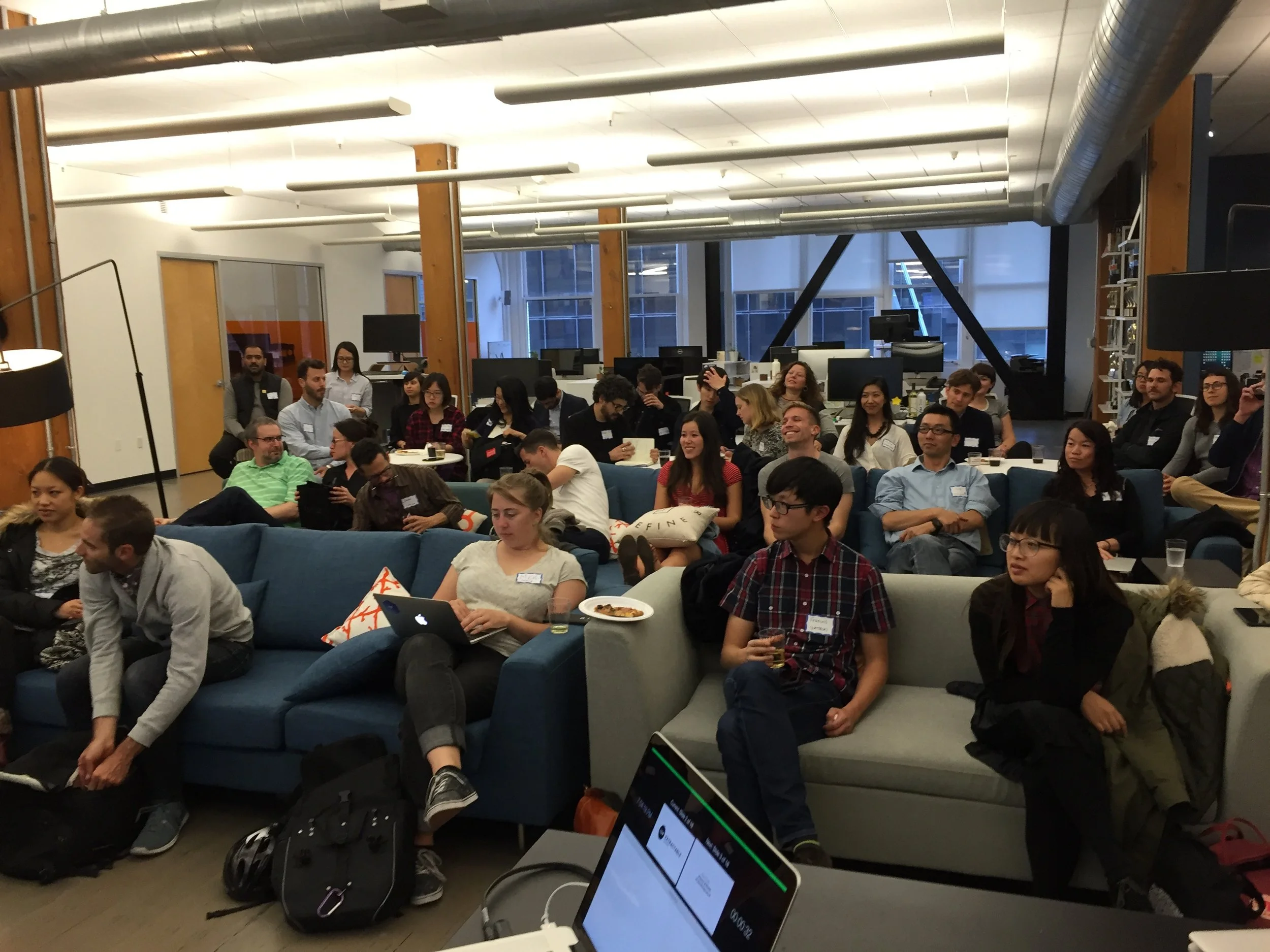
We expand futures literacy through design-led practice, distributed across 29 cities worldwide.
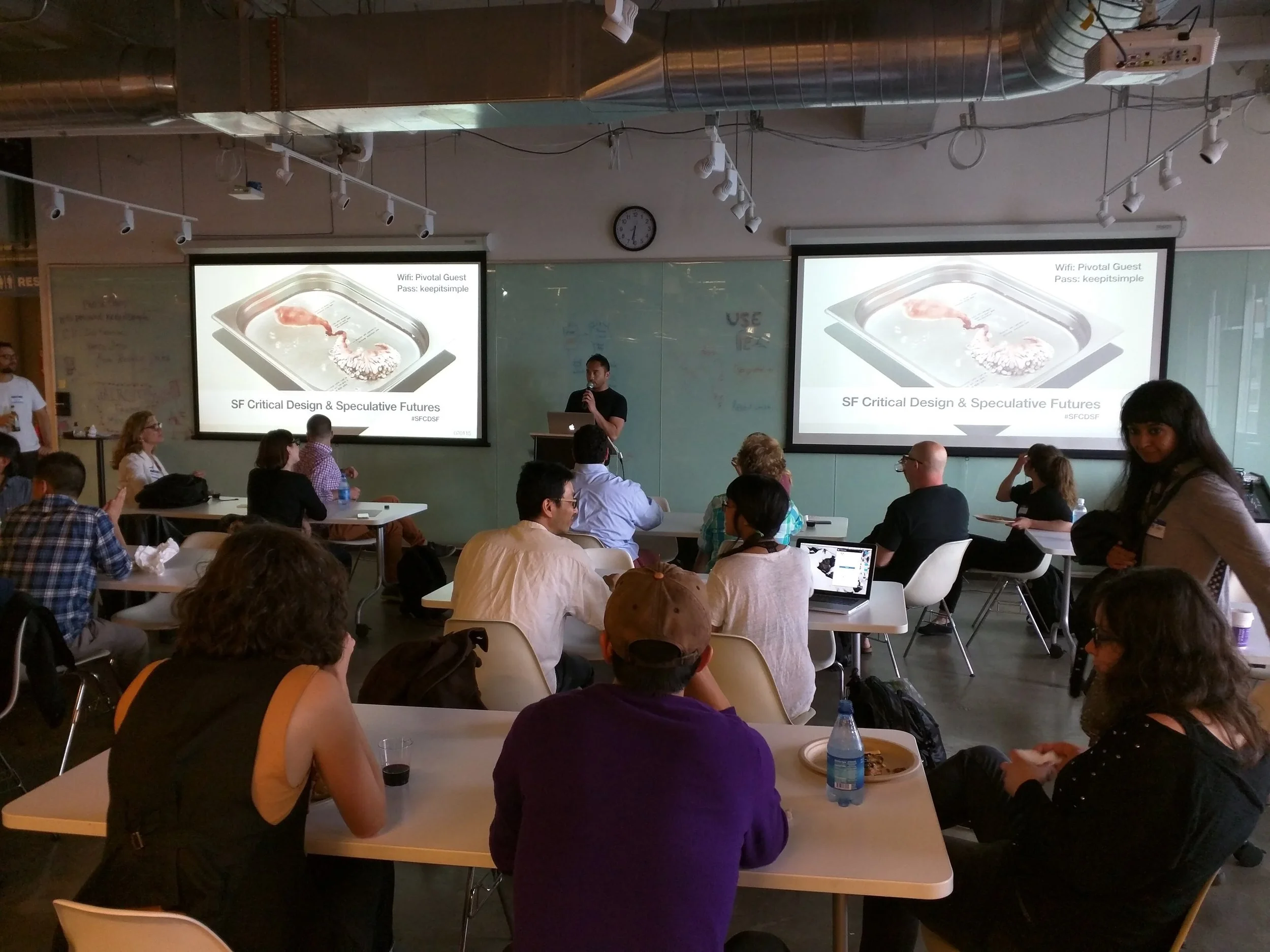
Speculative Futures launches in the Bay Area
6 cities join. PRIMER conference debuts.
60+ chapters across 4 continents
PRIMER final edition. New leadership emerges.
29 active cities. Expanding platform.
Speculative Futures started as a simple bet: that designers, in cities everywhere, were already thinking about the future — and needed a place to do it together.
What began in the Bay Area in 2015 grew into something we hadn’t fully planned for. Within two years, chapters had formed in six cities. Within three, the community had spread to four continents. The annual conference PRIMER brought it all together in a single room, once a year, to ask harder questions.
“The future isn’t a destination. It’s a practice we build together.”
Today, under new leadership, the community continues — distributed, open, and rooted in the belief that futures literacy is not a luxury. It’s a skill every designer, every organization, and every city needs.
Global Community
A worldwide network of designers, strategists, and thinkers united by a practice of futures-led design.
Distributed Chapters
Local groups in 29 cities that host events, workshops, and conversations on their own terms and timelines.
Shared Platform
Resources, tools, and knowledge shared across all chapters to amplify individual practice into collective intelligence.
Five Principles
Design as Futures Practice
Design is not just problem-solving. It is a form of futures-making. Every design decision is a hypothesis about the world we want to inhabit.
Plural Futures
There is no single future. We work with multiple, competing, and contradictory futures to avoid monocultures of possibility.
Ethical Imagination
Speculation without ethics is just fantasy. We hold ourselves accountable to the impact of the futures we imagine and the ones we enable.
Open Futures Literacy
Futures thinking should not be gatekept. We work to make speculative practice accessible, understandable, and useful to everyone.
Local Agency, Global Alignment
Each chapter operates in its own context. We share a practice, not a prescription. Local ownership is non-negotiable.
What We Do
Our Commitments
Practice over theory — we show up with tools, not only ideas
Distribute knowledge, don’t concentrate it
Center equity in how we imagine and in who imagines
Stay accountable to the communities we work with
Keep the platform open, evolving, and community-owned
Chapter Leadership
Speculative Futures chapters are led by local practitioners who believe that their city deserves its own conversation about the future.
Chapter leaders receive access to the SF platform, a global community of peers, and tools developed across 10 years of speculative practice.
Start a chapter in your city.
29 cities and counting. Yours could be next.
Start a Chapter